How to winterize a chicken coop
By Hannah Prescott · · 5 min readHow cold is too cold for chickens?
Chickens handle cold better than damp. According to the University of Minnesota, most poultry hold their body temperature when the air is between 60 and 75°F; a chicken's own temperature averages 106°F, and feathers do the rest (UMN Extension, caring for chickens in cold weather).
Below that range they need your help in small ways, and UMN draws one clear line: "Provide supplemental heat when coop temperatures fall below 35 degrees Fahrenheit." Small breeds, lightly feathered ones and birds with large combs and wattles need more care than heavy breeds.
So a hard frost outside isn't the number to watch. The temperature inside the coop is, along with how wet the air feels when you open the door in the morning.
Why does ventilation matter more than insulation?
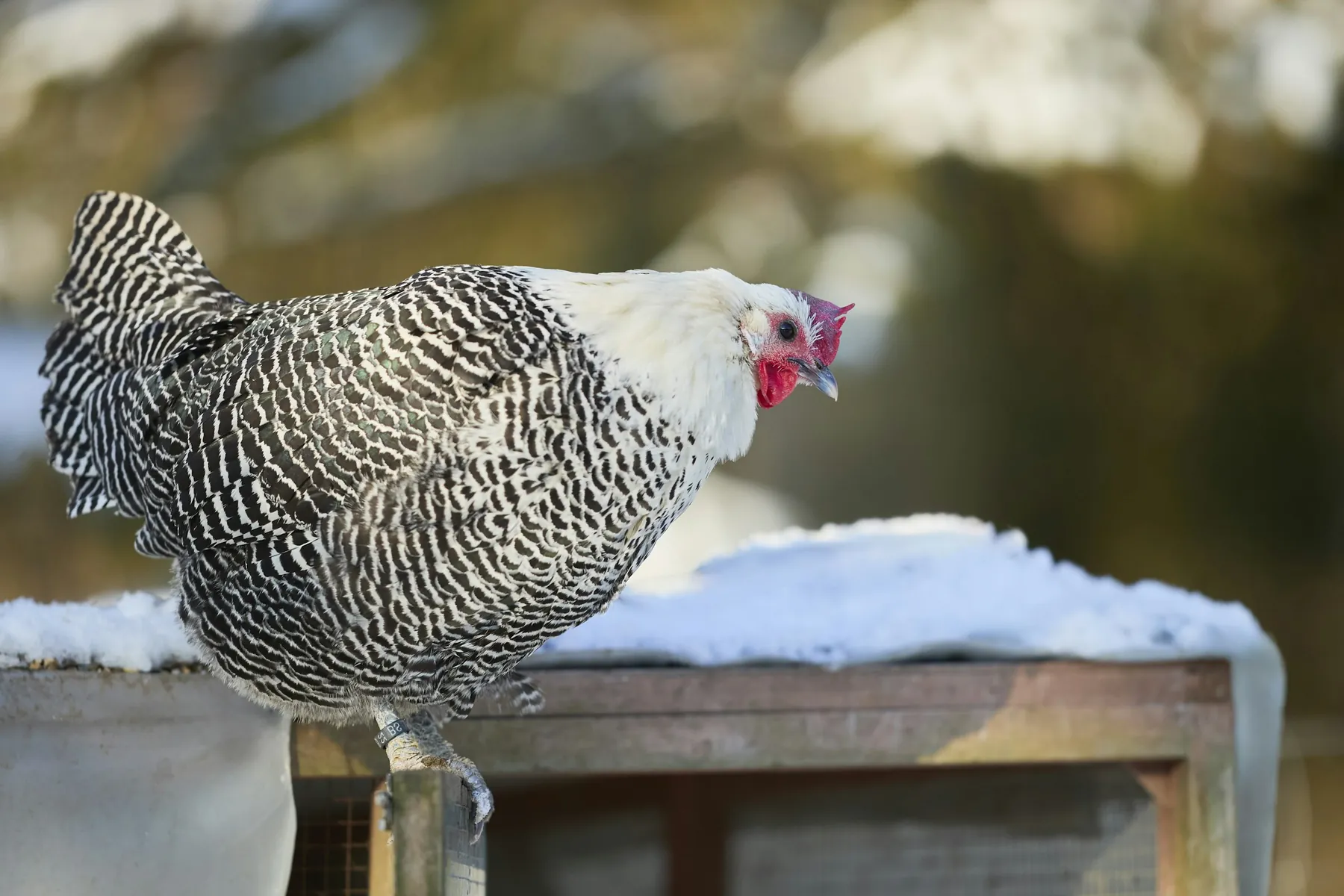
Because the main causes of frostbite, says UMN, are "high moisture and cold temperatures" together. Chicken manure is 70% water, and in a closed coop that moisture has nowhere to go. "High moisture in a coop, combined with cold temperatures can lead to condensation, which can cause frostbite."
The fix sounds backwards: let air out. UMN's list is practical. Fit roof vents so damp, stale air leaves at the top. Hang burlap over a partly opened window to keep air moving without a gale. Open a small door or window on milder days. And if you smell ammonia or see moisture collecting on the windows, you need more ventilation and less manure.
Drafts are a different thing. A draft is cold air crossing the birds; ventilation is damp air leaving above them. Seal the gaps low down ("sealing these spots will prevent cold drafts and rodents from entering"), and keep the openings high.
Should you insulate or heat the coop?
Insulate first. UMN's advice for an unfinished coop is to insulate the interior to help retain heat, and to close the insulation off so chickens can't peck at it and rodents can't nest in it.
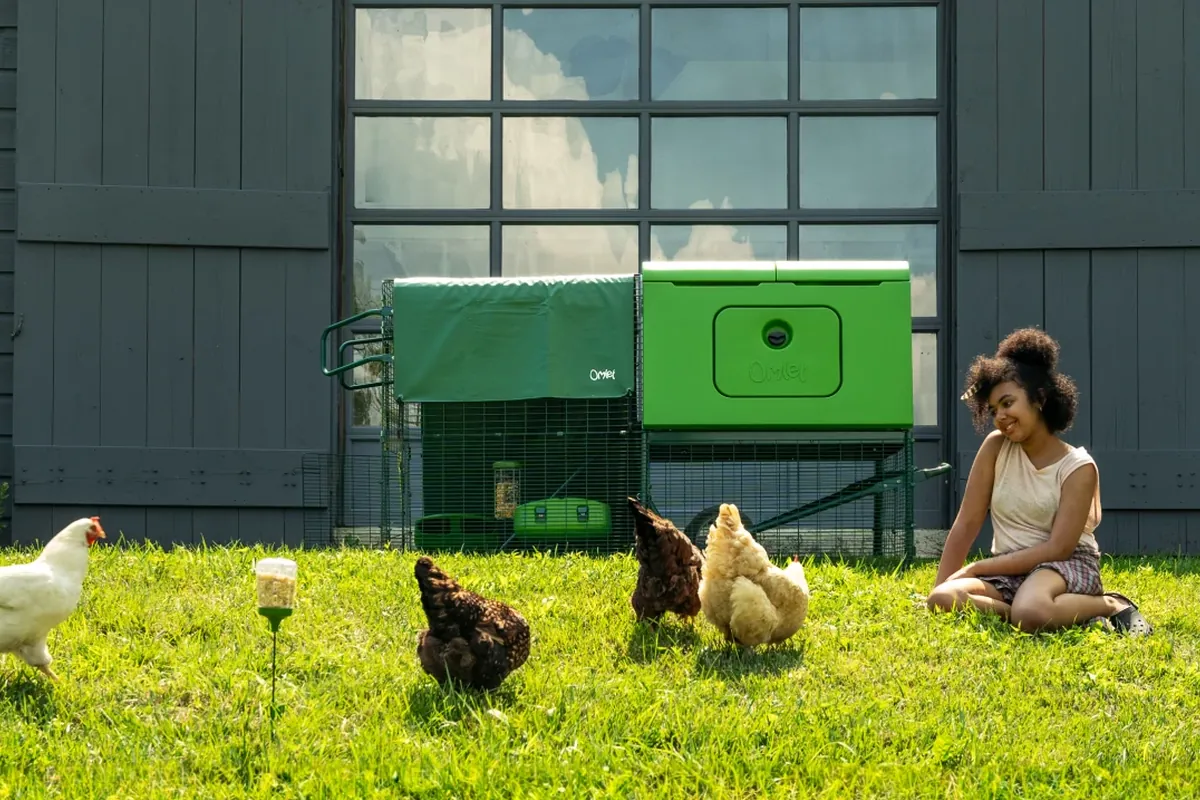
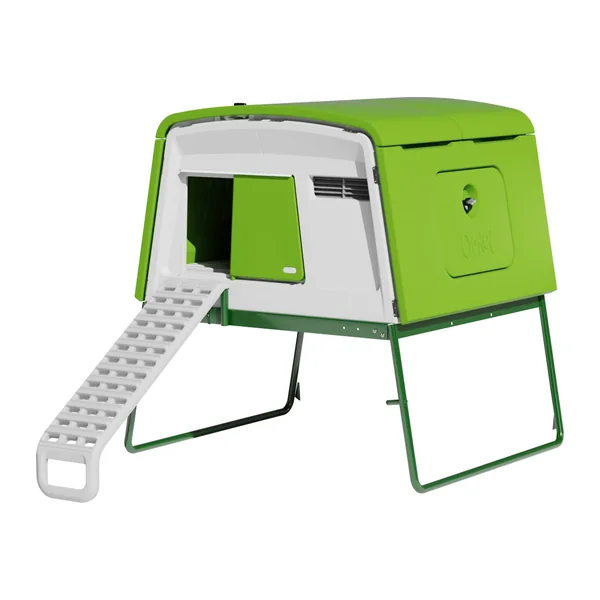
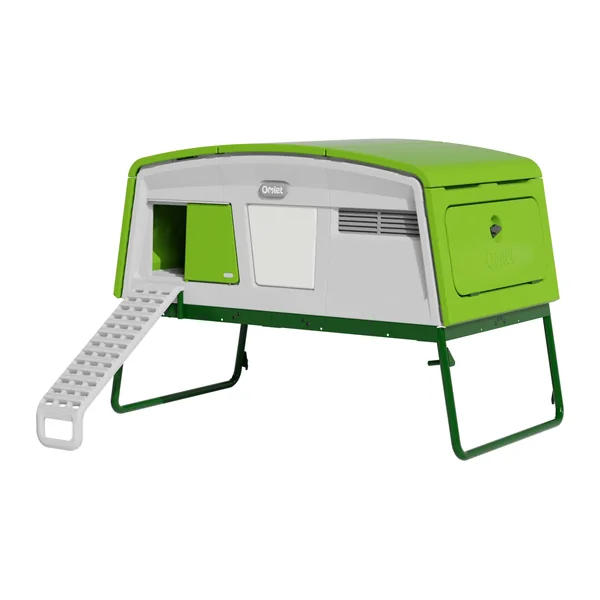
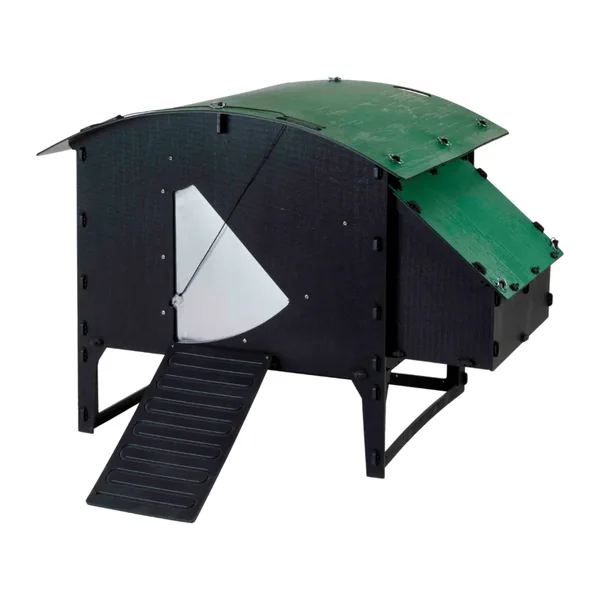
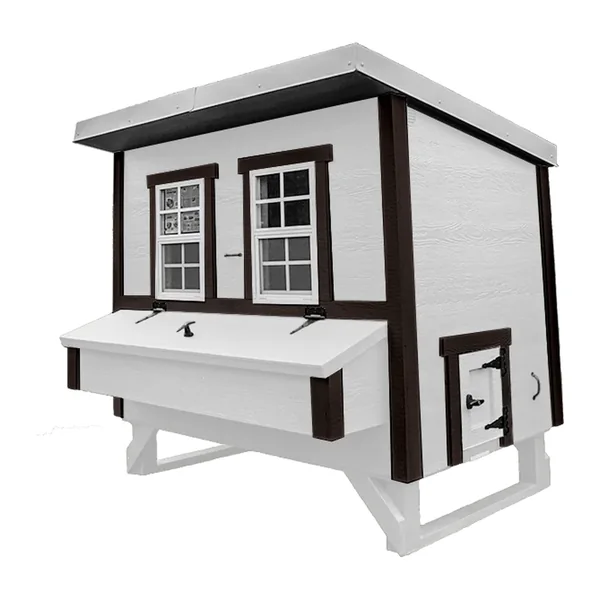
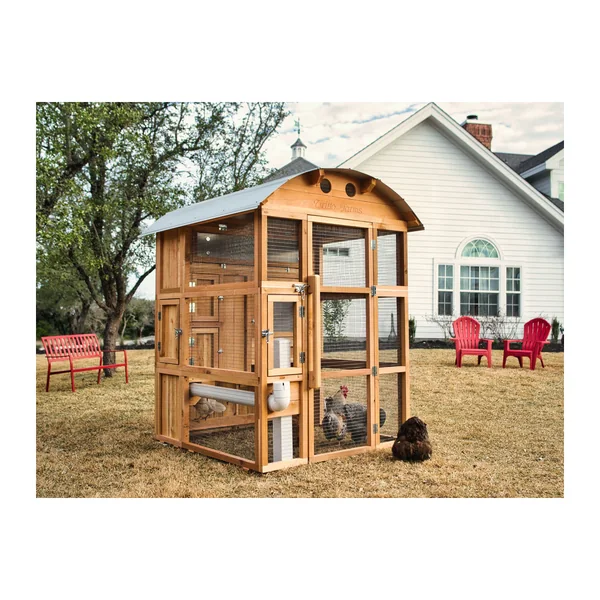
This is where coop design earns its price. The Omlet Eglu Cube and Eglu Pro have twin-wall plastic that Omlet describes as 2 inches of insulation, sealed by construction. Nestera claims "superior thermal insulation" for its recycled-plastic coops without giving a figure. Wooden coops rely on their timber: OverEZ adds a radiant-barrier ceiling (its page presents it for summer heat), and Roost & Root sells a storm panel set for $299 to close its wire sides in cold or wet climates.
Heat comes second, below 35°F. UMN recommends radiant sources (brooder plates, panels, hanging heaters) placed at the height of the nest boxes or the lowest roost, with a thermostat to manage them. If you use a heat lamp, UMN says to choose an approved one with a cage around the bulb, which helps keep it off the bedding if it falls, and to read the fire risk warnings before you install any heater.
Video: "How To Winterize Your Chicken Coop and Run | Backyard Chickens", Welcome to Chickenlandia on YouTube. Not made by us; chosen because it shows the product or the topic clearly.
How should the roosts be set up?
The roost is a hen's winter coat rack. Up there she's off the cold floor and can sit on her feet to warm them. UMN's figures: roosts at least 12 inches above the floor, with 9 inches of room per chicken, enough to fluff up and huddle without crowding.
Material matters too. The same page says to "avoid using metal, plastic, or other materials that retain the cold and may cause frostbite". That's worth knowing if you're choosing a plastic coop: the Eglu Cube "doesn't have traditional wooden perches", in Omlet's own words, but moulded roosting bars. Ask the maker what it recommends in deep cold. Carolina Coops, for one, fits Douglas fir roost bars.
Check for bullying while you're at it. UMN notes that heavier or dominant birds can keep others away from feed, water or the roost, and those are the hens that lose condition in winter.
How do you keep water and eggs from freezing?
Water first, because "without water, chickens will stop eating". UMN's advice is to keep the waterer from freezing, set it on a stand so bedding and manure stay out and the heating element stays clear of the litter, and keep a second waterer ready for the day the first one fails. Keep cords away from birds, water and bedding.
Eggs freeze too. They come out at 109°F, but they're mostly water: collect them as soon as you can and discard any with cracked shells.
Laying slows in the dark months. For steady production UMN suggests about 14 hours of light a day, using a regular lamp on a timer, and adding the light in the morning, not the evening: if a lamp switches off after sunset, the hens can't find the roost.
What about the door, the run and the snow?
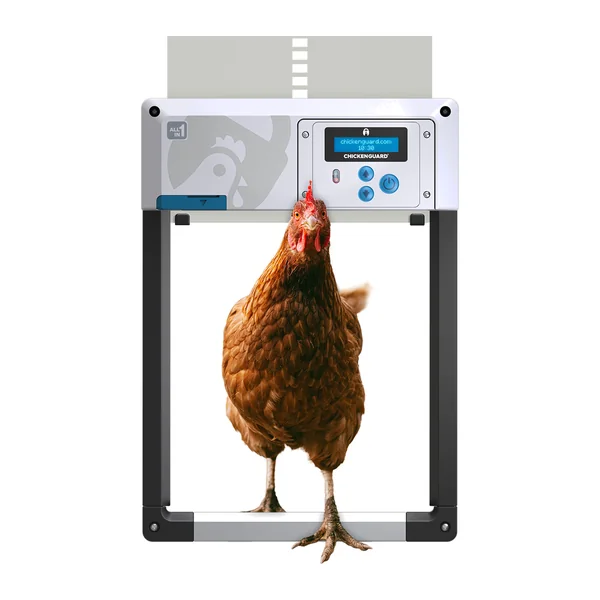
A door that shuts itself matters most in winter, when dusk falls before you're home. Only two of the four automatic doors we compare publish a cold rating: the ChickenGuard All in One (-4°F to +140°F, with a winter mode) and the Omlet Smart Autodoor (-4°F to 150°F). The full list is in our automatic chicken coop door ranking.
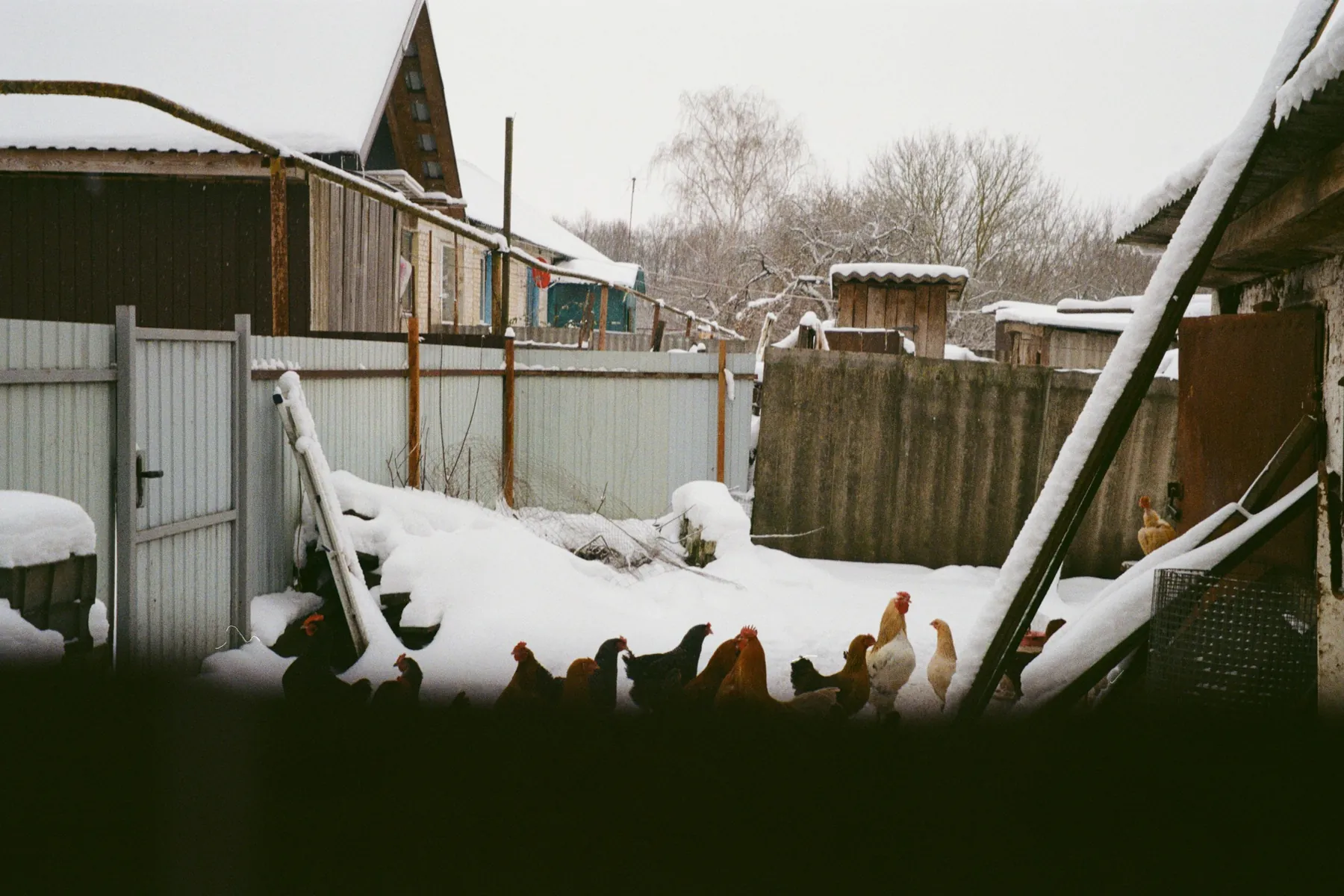
Hens tend to avoid snow. UMN's tip is to spread a little hay in the run so they come out and scratch. Covers help as well: Omlet sells an Extreme Weather Cover for its Eglus, and Carolina Coops lists winter storm shields as an option on the American Coop.
One last check before the first freeze: frostbite shows on combs, wattles and feet. Petroleum jelly on combs and wattles can help prevent damage, says UMN, but it doesn't treat frostbite. For a bird that has it, call a veterinarian.
The products in this guide, side by side
| Product | |||||
|---|---|---|---|---|---|
| Hens, says the brand | 6 hens | 10 hens | 5 hens | 15 hens | 6 hens |
| Hens at 3 sq ft each | 3 hens | 5 hens | 3 hens | 10 hens | House size not published |
| Material | Plastic | Plastic | Plastic | Wood | Wood |
| Run | Not included | Not included | Not included | Not included | Included, 27 sq ft |
| Predator protection published | Locking latches, raised house | Locking latches, raised house | Raised house | Locking latches, raised house | Locking latches, welded mesh, raised house |
| Cleaning | Tray, hose-clean plastic | Tray, hose-clean plastic | Tray, hose-clean plastic | Access door only | Stand-up access |
| Warranty | 10-year | 10-year | 25-year | Not stated | 2-year |
| Where to buy | Check price at Omlet | Check price at Omlet | Check price at Nestera | Check price at OverEZ | Check price at Roost & Root |
✓ marks the best figure of the row. Prices checked November 14, 2026 on each brand's own US store.
This guide helps you choose and budget a coop; it isn't legal or veterinary advice. City codes, county rules and HOA covenants decide whether you can keep hens and where a coop may sit: check yours before you order. For flock health questions, ask a vet or your state Extension office.