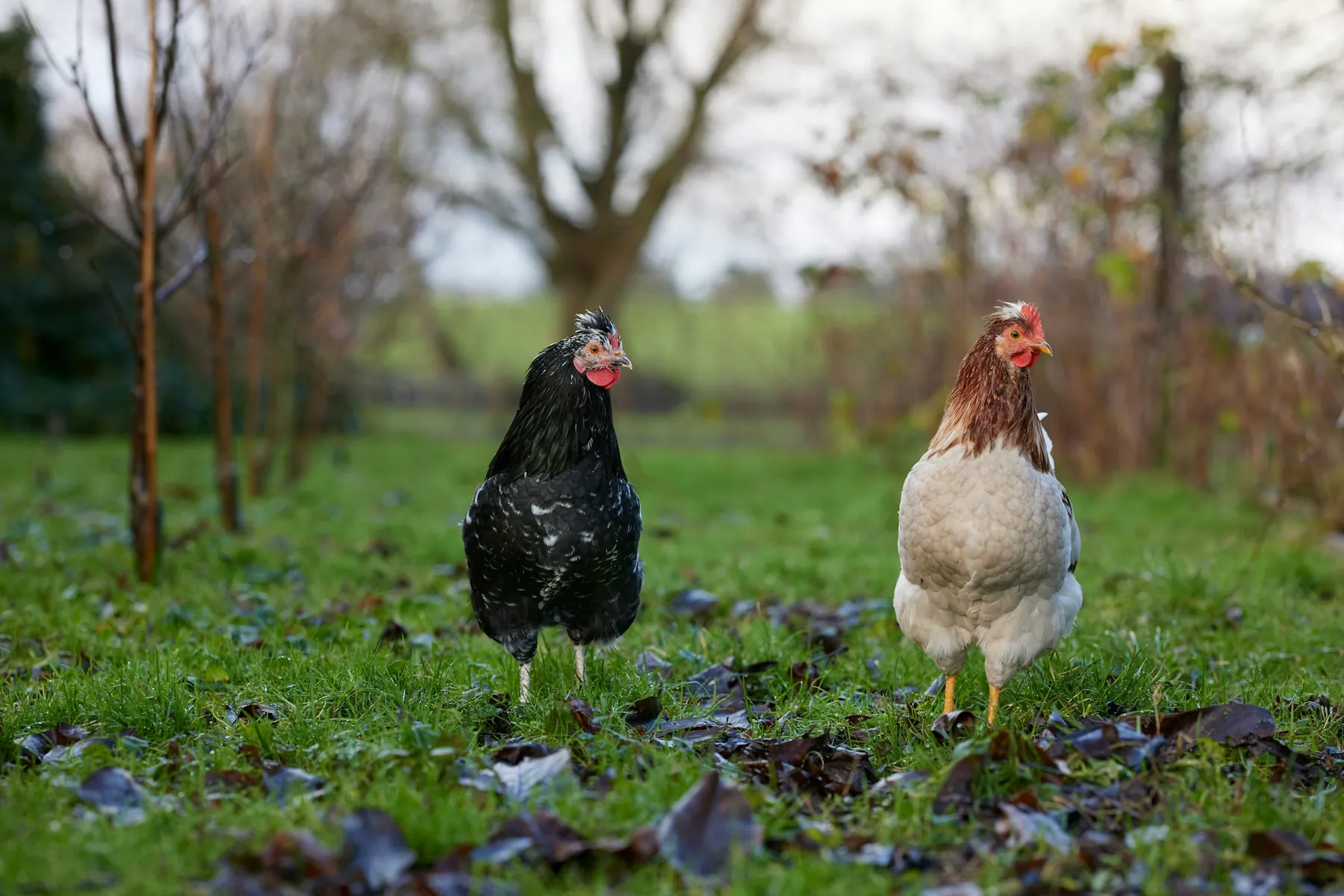
How big should a chicken coop be?
By Hannah Prescott · · 5 min readWhat do poultry specialists recommend per hen?
Two university extension services publish a figure, and they agree. The University of Minnesota writes: "Be sure to have a minimum of 3 to 5 square feet of indoor space per bird" (UMN Extension, raising chickens for eggs). The University of Georgia calls 3 to 3.5 sq ft of floor space per bird "a good rule of thumb" for layers, and gives an example: 25 birds need about 75 sq ft, so an 8 by 10 ft building (UGA, management guide for the backyard flock).
We use the low end, 3 sq ft, as the line a coop should meet. It's a minimum for standard hens, and UMN's own range goes up to 5.
Floor isn't the only measure. For sleeping, UMN suggests roosts that start at least 12 inches above the floor and give "9 inches of room per chicken" (UMN, cold weather). For laying, both universities say one nest box per four to five hens.
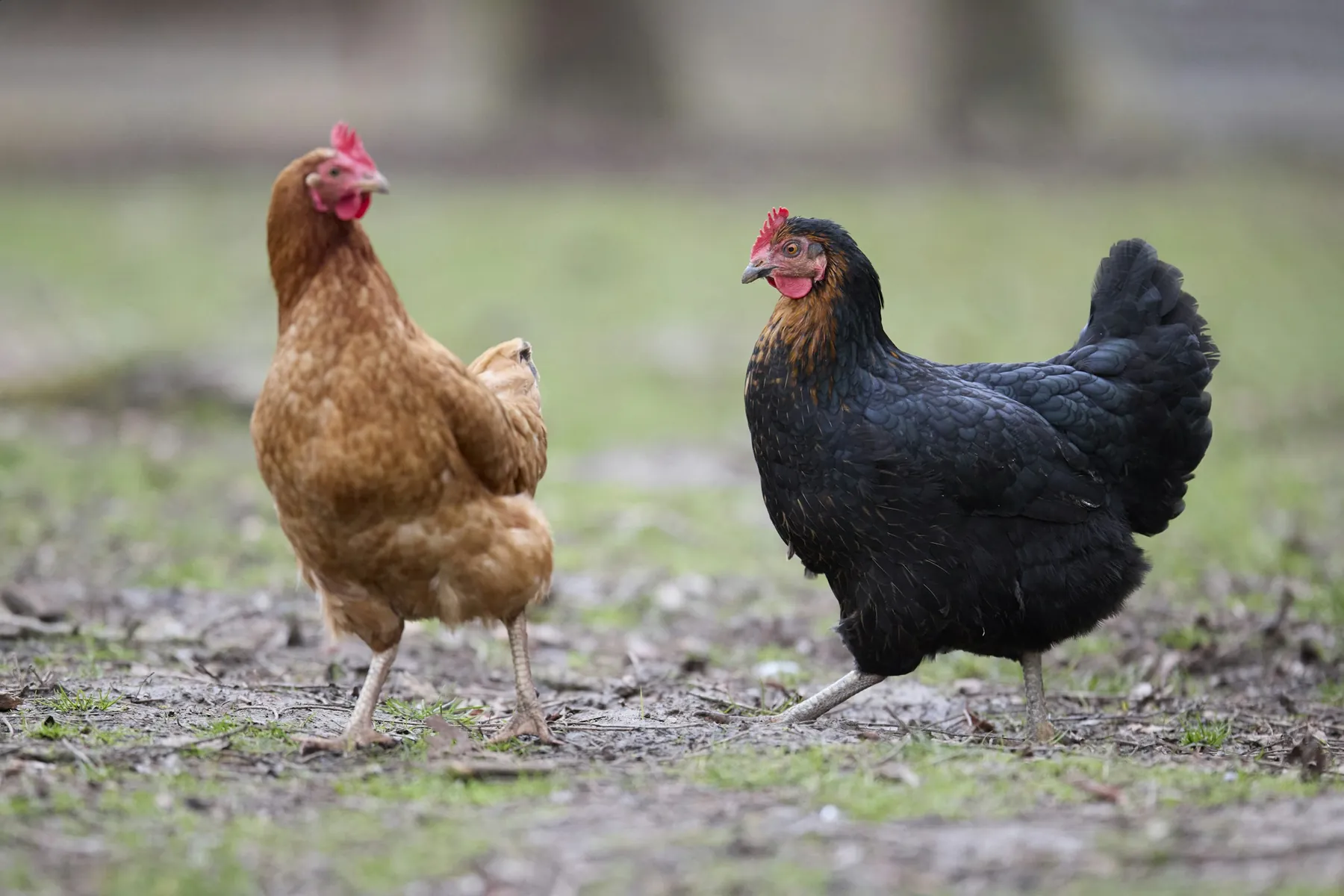
How big a coop for 3, 6, 10 or 20 chickens?
Here's the rule applied to common flock sizes. It's arithmetic on the three figures above, nothing more.
| Hens | House floor (3 sq ft each) | Roost (9 in each) | Nest boxes |
|---|---|---|---|
| 3 | 9 sq ft | 27 in | 1 |
| 4 | 12 sq ft | 36 in | 1 |
| 6 | 18 sq ft | 54 in | 2 |
| 8 | 24 sq ft | 6 ft | 2 |
| 10 | 30 sq ft | 7.5 ft | 2 or 3 |
| 15 | 45 sq ft | 11 ft 3 in | 3 or 4 |
| 20 | 60 sq ft | 15 ft | 4 or 5 |
Read the table as a floor, in both senses. If your hens can't free-range and winter shuts them in for days, add a third. If they're outside from the moment the door opens until dusk, the house is a bedroom and you can run closer to the brand's count.
Why do coop brands count more hens than the rule?
Because they count beds, not living space. A brand's "up to 6 hens" usually describes how many birds can roost and lay in the house, assuming they spend the day in a run. The extension figure covers hens that also wait out rain, snow and short winter days inside.
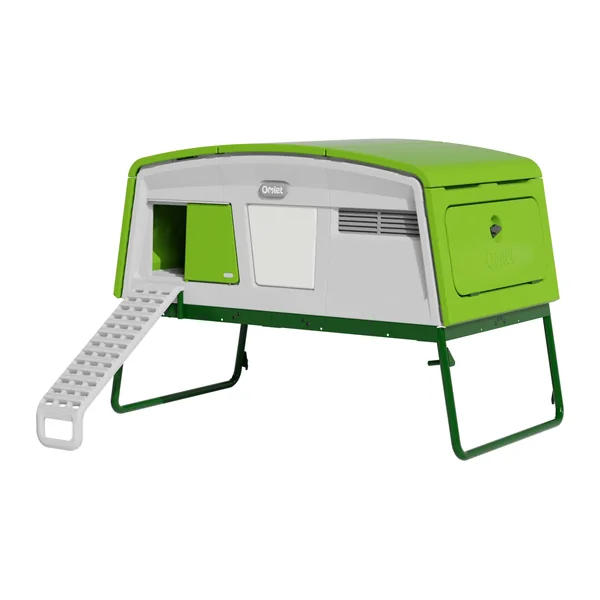
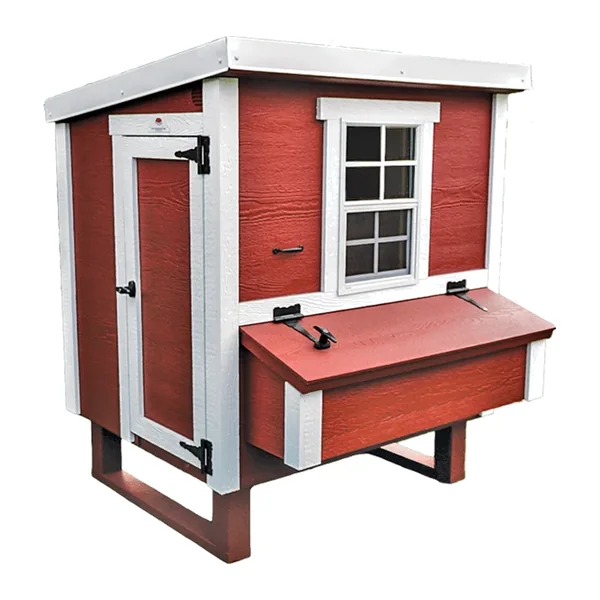
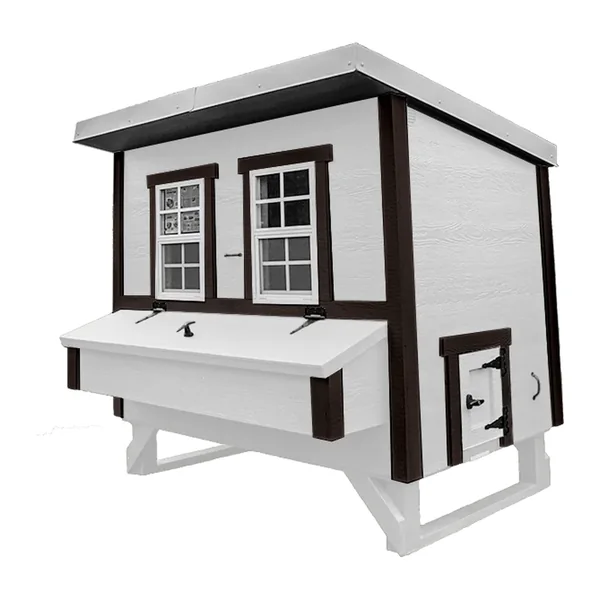
Look at what that does to real products. The Omlet Eglu Cube is sold for 6 large hens and has 10 sq ft of floor: three hens by the rule. The Eglu Pro, sold for 10, has 16.7 sq ft: five. The Formex Snap Lock Big, sold for 12 to 15 birds, has 17.3 sq ft: five again. The OverEZ Large, sold for 15, has 30.8 sq ft: ten.
None of these makers is lying. They're answering a different question. Ours is: how many hens will be comfortable in there on the worst week of the year?
Video: "How Much SPACE do Chickens Need?", Welcome to Chickenlandia on YouTube. Not made by us; chosen because it shows the product or the topic clearly.
How much run space do chickens need?
The two extension pages we read give indoor figures, not a run size, so we won't invent one. What we can cite is a maker that publishes its own rule: Roost & Root rates its coops for hens living in them full time and counts "no less than 4 ft² per bird" of run. Its Stand-Up coop covers 26.6 sq ft for 6 hens, its Walk-In 76 sq ft for 20.
Treat 4 sq ft per bird as that brand's floor, and give more if you have the ground. A run does two jobs: it gives hens somewhere to scratch, and it's what lets a compact house work. Omlet's runs start at 6 ft and 9 ft; for six hens, take the longer one.
Whatever the size, cover it. The Extension predator guide recommends a covered run where hawks or owls are persistent.
Does the roost or the floor run out first?
Usually the floor. Take the Snap Lock Big: three 36 in roosts make 9 ft, enough for twelve hens at 9 inches each, which matches Formex's "12-15 birds". The floor, at 3 sq ft per hen, stops at five.
The Carolina Coops American Coop shows the same gap at a bigger scale: 12 ft of roost bars sleep 16 birds, the 24 sq ft henhouse suits 8 by the rule, and the brand says 18. Its answer is the 72 sq ft covered run underneath, which is a fair one.
So when a product page gives you only a roost length or a headcount, ask for the inside floor dimensions. Several makers don't publish them (Roost & Root and Aivituvin among those we compare), and our formula scores that as "not stated".
Can a coop be too big?
Not for the hens. UMN's cold-weather advice (seal the drafts low down, keep the vents open up high) applies whatever the size, and it's an argument for a well-built house, not a cramped one.
The real limits are your yard, your budget and your town. Many cities don't allow roosters, and a homeowners association can forbid chickens even where the city allows them (Extension, urban poultry). Size the coop for the flock you're allowed, plus one or two: chicken keepers have a way of coming home with more. See can I have chickens in my backyard before you measure.
Ready to shop by flock size? Start with the best coops for 6 chickens or the coops for 10 chickens or more.
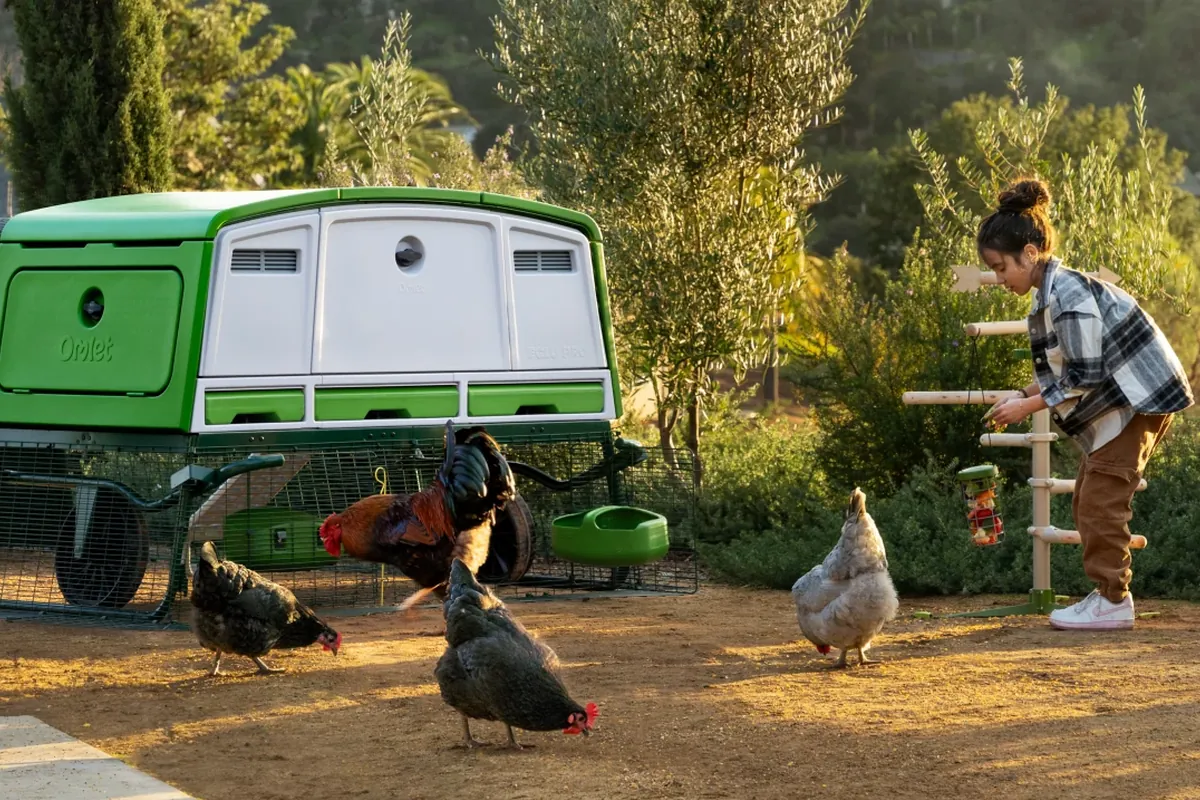
The products in this guide, side by side
| Product | |||||
|---|---|---|---|---|---|
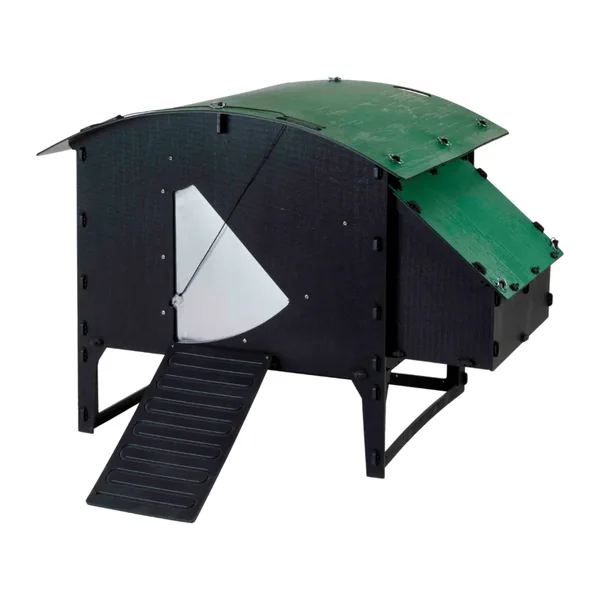
| Hens, says the brand | 6 hens | 10 hens | 5 hens | 10 hens | 15 hens |
| Hens at 3 sq ft each | 3 hens | 5 hens | 3 hens | 6 hens | 10 hens |
| Material | Plastic | Plastic | Plastic | Wood | Wood |
| Run | Not included | Not included | Not included | Not included | Not included |
| Predator protection published | Locking latches, raised house | Locking latches, raised house | Raised house | Locking latches, raised house | Locking latches, raised house |
| Cleaning | Tray, hose-clean plastic | Tray, hose-clean plastic | Tray, hose-clean plastic | Access door only | Access door only |
| Warranty | 10-year | 10-year | 25-year | Not stated | Not stated |
| Where to buy | Check price at Omlet | Check price at Omlet | Check price at Nestera | Check price at OverEZ | Check price at OverEZ |
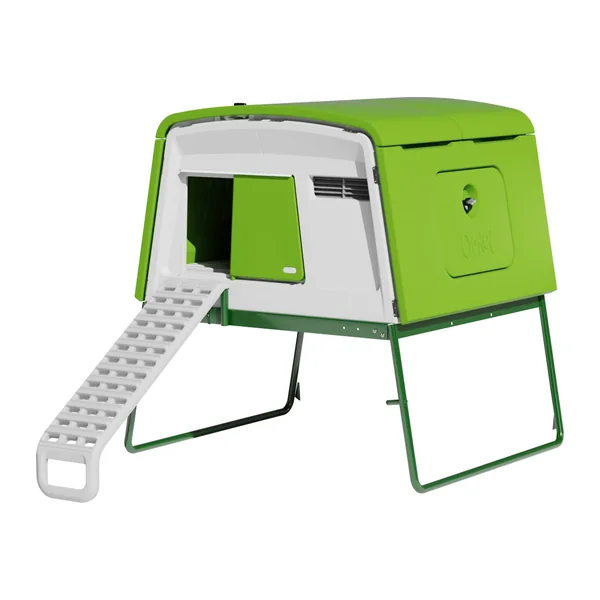
✓ marks the best figure of the row. Prices checked November 14, 2026 on each brand's own US store.
This guide helps you choose and budget a coop; it isn't legal or veterinary advice. City codes, county rules and HOA covenants decide whether you can keep hens and where a coop may sit: check yours before you order. For flock health questions, ask a vet or your state Extension office.